

Here in Minnesota we’re now solidly in early spring weather and that poses unique challenges for people who like to be active outside. In the dead of winter you know what to expect… it’s cold, possibly windy, and there’s most likely snow. You dress appropriately and go get it done. In summer it’s also somewhat easy. Just make sure you have enough water, wear shorts and a short sleeve shirt (or tank top), slather on sunscreen and go.
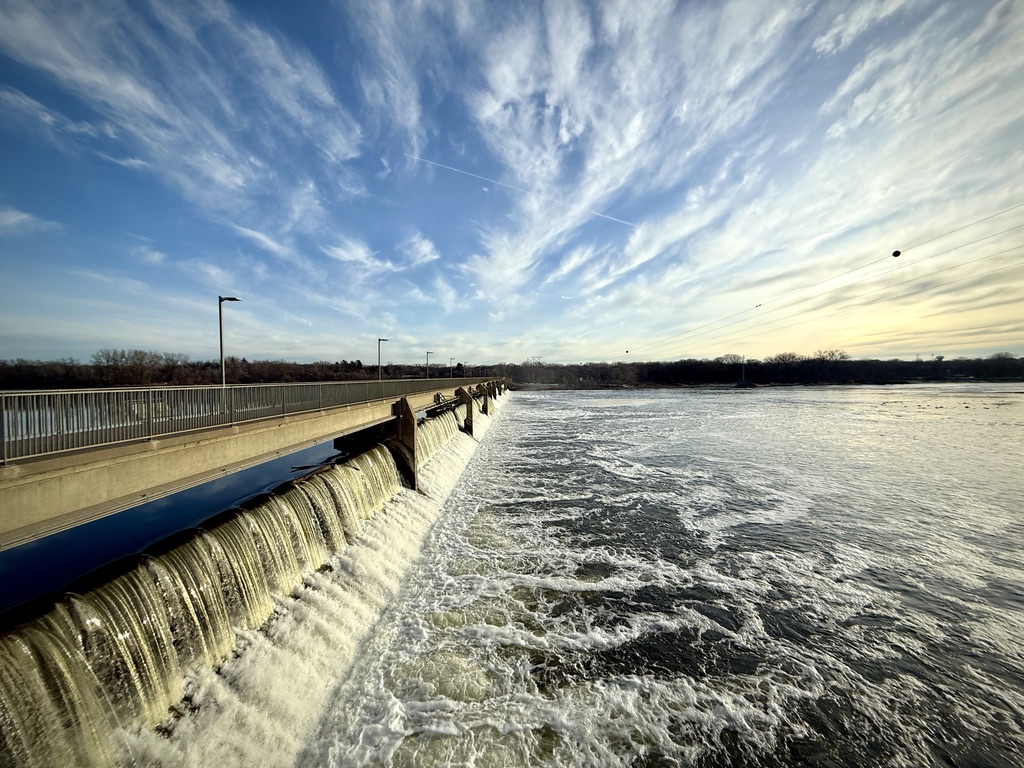
But spring… that’s a tricky beast. The changing climate has shifted things for us here, and our weather is warmer than normal usually, but there’s still a fluctuation that flows through the season. Some days it’s cold, below freezing when you head out for a morning run. Other days an afternoon bike ride could be above 60°F (15°C) and you’re overdressed. It might rain. It might snow. It might snow in the morning and then be 50°F (10°C) in the afternoon. There could be ice, there could be mud, and there could be completely dry trails.
Everyday is a new adventure.
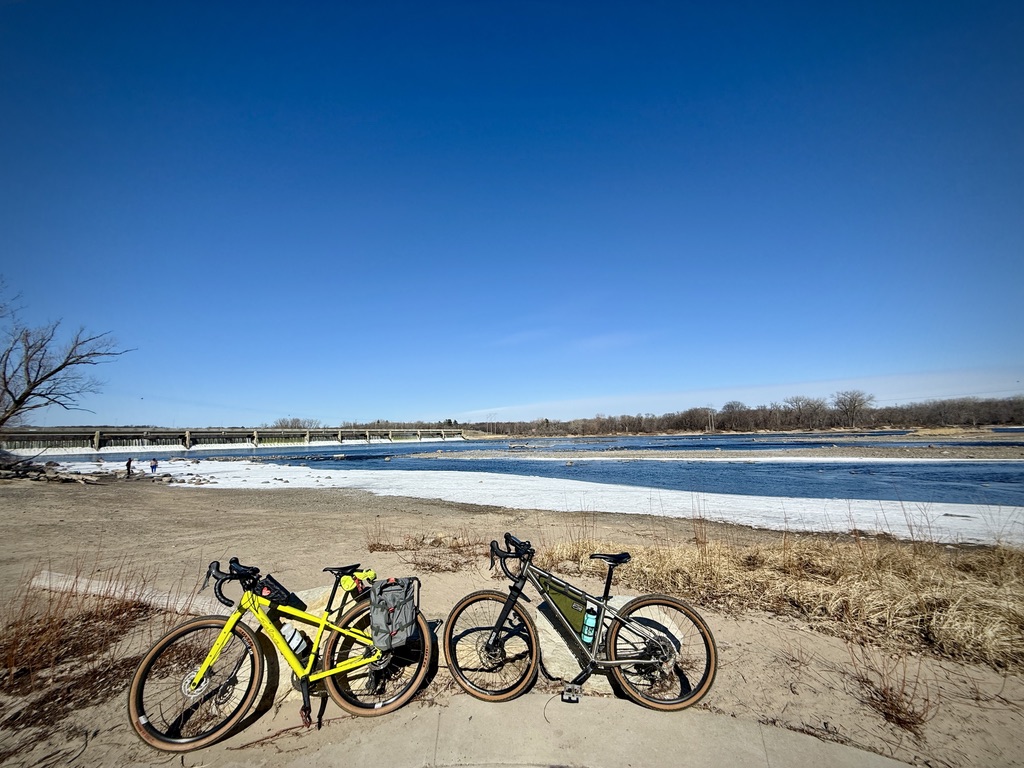
Needless to say this makes it hard to know what to do when you’re trying to manage your fitness goals and plans. Often spring time is when training plans are ramping up and you want to start hitting bigger miles. But getting in structured workouts when conditions can vary so widely can be frustrating as well. What it ends up coming down to is flexibility and adaptability.
First off, learning how to layer appropriately is key. Heading out for a run or ride with multiple layers on means that you can remove (or add them back) as needed. That gives your flexibility while you’re out to adjust as needed. However, it’s important that you should always start your ride/run feeling just a slight bit cold. Remember that your body is going to generate a lot of body heat as you start working, and so starting in JUST enough layers to still feel chilled is where you want to be. Obviously if you’re someone who suffers from issues with cold extremities, do what you need to for comfort of those. I’m referring to your central core when it comes to your starting temp. Bikers remember your feet will always be colder than runners so wool socks are your friend.

Being too warm is also an issue. If you walk out of your house and you’re feeling toasty, or even a bit too warm, get back inside and shed some clothing. The last thing you want to do is set yourself up for a workout where you sweat more than you intend and then either dehydrate or chill yourself. Remember, hypothermia doesn’t just happen in deep winter conditions.
This brings us to point two which is making sure you’re planning your nutrition right for unpredictable conditions. Personally, I find my eating and drinking can look very different in the winter time than during the summer. I sweat a lot less in the winter and need to take in a lot less water (everyone is different here). But during the shoulder season of spring, I need to be much more careful about listening to what my body needs and plan appropriately. This might mean bringing a tiny bit more water than I’m used to, and consciously reminding myself to drink more often.

It might also entail brining a little bit extra food when heading out into mixed conditions that may alter my pace or duration without notice. The last thing you want to do when trudging through an unexpected muddy section of trail is not have enough calories with you and end up bonking. Not suggesting you over pack food, but you should plan more like a winter run where you may be out there longer than you anticipated.
Finally, the last big thing to consider is adjusting expectations. With trail and road conditions being highly variable you should approach your workouts with an adaptable mindset. Think about what you’re trying to get out of a workout, and the level of effort you’re hoping to achieve. Then based on conditions, adjust your duration/pace/structure accordingly to reach that level of effort. I’ve become a big fan of Strava’s Relative Effort metric as it allows me to look beyond the duration and pace of a workout and see what it did to me in terms of heart rate and exertion. No metric is perfect, but I’ve found a lot of value out of RE as a guide when approaching unexpected conditions.

The important thing in all of this is to still keep getting out there. Re-frame your expectations and be willing to make adjustments to meet the weather and trail conditions where their at. You can do all the right things from the advice I gave above, but if your attitude isn’t right, you’re still going to struggle. Fitness journeys are an adventure, and sometimes adventures don’t go according to plan. Accepting this and learning to embrace ambiguity will go a long way towards continuing to feel motivated, or at least keep showing up to do the work.
Soon this will all be a memory and we’ll be sporting the lightest and coolest clothing we can find, but for now we’re going to roll with the punches and keep doing what we need to do to keep moving forward.

 Second Runnings