

I started my journey in the trail running world in 2015. I had come from 5 years of running road races. I finally got a little taste of dirt at a small race (and from hearing about it from friends), so my wife and I decided to dip our toes into something different. I still remember my first casual trail run on a cold January morning with three people who would all become good friends of mine throughout the years. They were eager to share their love of the trails, and even more so, their love of the trail running community.
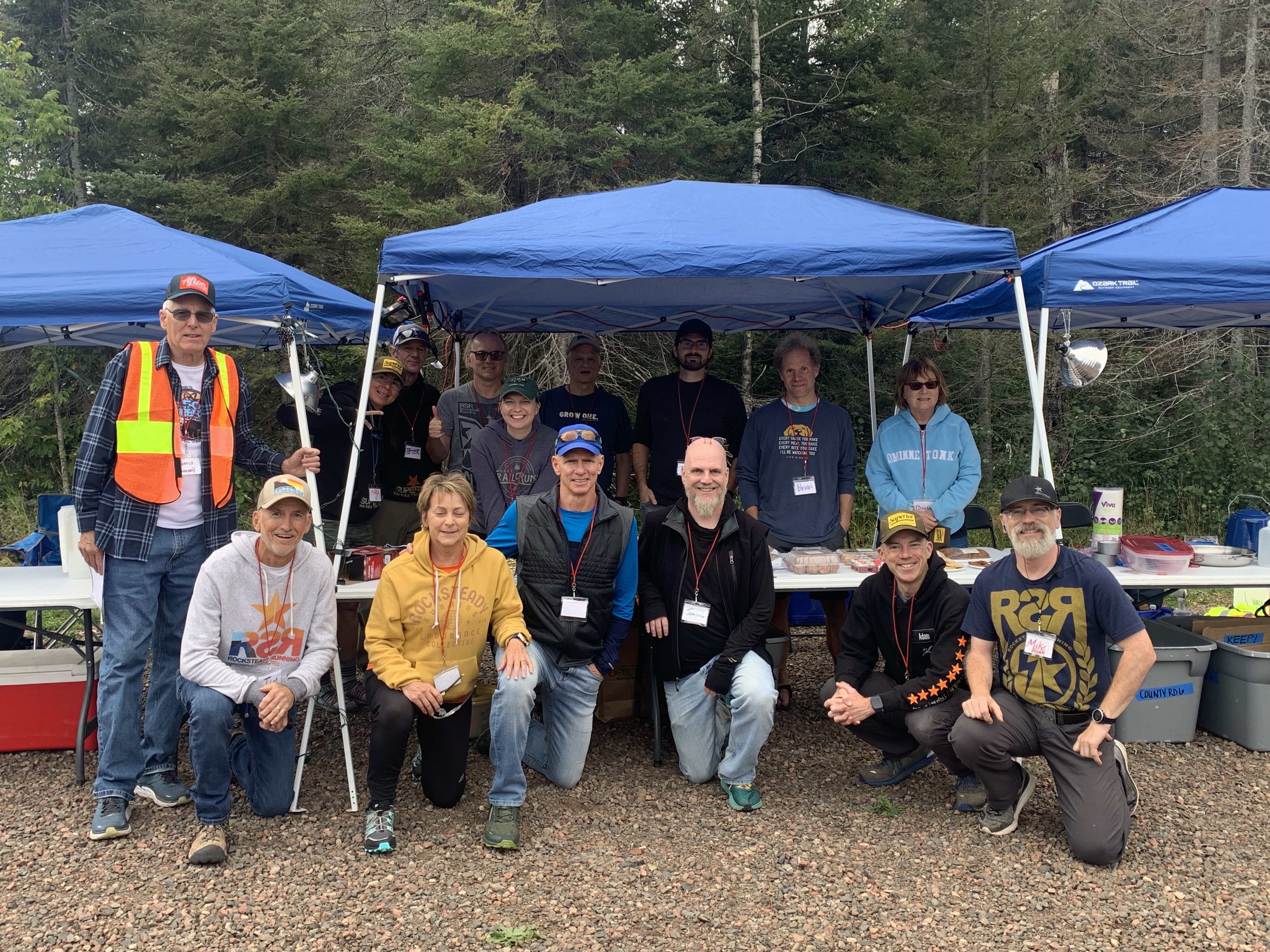
As I continued to run with these folks, and many others, around Elm Creek Park Reserve I was getting more than just a lesson in how to navigate the transition to off-road running. I was learning what it meant to be a part of a world where performance is secondary and everyone’s victories (and defeats) are celebrated together. It’s not about always going faster and faster, but often further and further, testing oneself to see when we break. And when we do break, we look up into the faces of random aid station volunteers and they smile at us and tell us, it’ll all be fine and we’re doing awesome. We just need a cookie.

They’re able to say this to us because in many cases they’ve been where we’re at (no matter if their challenges were at much different distances). They know the struggle. They know the pain. They often intimately know that screaming desire to just quit and go home. But they also know that a setback isn’t always the end. Sometimes we just need to take some moments to eat food, get some fluids going, and have a caring ear to listen to us complain. Then, more often than not, we head on back out, making our way to the next oasis in the woods, and into the arms of the next batch of randos who choose to spend their weekend helping us do hard shit.
So why do they do it? Because they know that the next time they toe the line and try something painfully hard it very well might be you or I that’s holding the magical slice of grilled cheese sandwich that makes everything turn around. They recall races in the past where others have given them that kindness and support and they choose to keep paying it forward.

This was the culture that was drilled into me in my early months of learning the trails. So much so that when I headed down to Zumbro to attempt my first big trail race (17 miler) I went down a day early to volunteer at an aid station for the 100 mile racers. Spending a day in the woods helping runners who were doing way harder stuff than I was attempting was invigorating. I got to spend the day meeting so many wonderful folks on both sides of the aid station table that it solidified in me what it really means to be a “Trail Person”.
For decades this has been the norm in trail running. People run races… people volunteer at races. But lately it feels like there’s a shift happening. As trail running has grown in popularity more and more people are getting into the sport. They’re often driven by social media posts from others who are sharing what they’re doing out on the trails. But as we experience this growth, along with more professionalization, I fear we’re starting to lose more of what has made us unique, and what drives the culture of the sport.
My buddy Scott Kummer wrote an excellent piece that I think everyone should read where he shared his thoughts on what “influencer culture” is doing to the sport. I couldn’t agree more with what he’s saying in his post and I echo many of his sentiments. In particular I want to share this quote:
The “influenced” need leaders, race directors, podcasters and athletes who can show them the way once they get here. They don’t become assets to the sport and the community unless they become part of the community. Buying the supplement, doing the race, posting the video or picture and talking about themself is all well and good, but these folks no longer seem curious about the culture and very few are taking time to promote it. As such, they add numbers, but no substance. They also endanger tradition and culture.
Will someone step up and lead them, teach them, introduce them to the culture of our sport? If no one does this, or if they have no interest in it, the culture will soon be lost. Do we want to primarily be a sport of “look at me” athletes with selfie sticks and camera crews, or do we want the community folks. The ones that care deeply about the community, crew, pace, volunteer, help, mentor and then sit in their lawn chairs at the finish line waiting for the golden hour? I think I know the answer to this.
For many years those of us in the Upper Midwest have heard about issues with trail running culture in other States like Colorado, where influencer culture has been more pervasive for a lot longer. We hear stories of races needing to pay staff to come to their events, or events being severely hampered by the lack of people who are willing to share their time. They’ve often had to institute volunteer requirements for registration, or other mitigations to make races happen. It’s a path that I’d love to see the Upper Midwest avoid going down.
I’ve also heard the rebuttal that there are just “too many races now” that stretch volunteer resources thinner. But if our sport is growing enough to support so many more races, then wouldn’t that mean that there would be even more people who are able to show up and volunteer? That’s where we come back to the need for community to be at the core of what we share about this sport we love. We need to mentor people into what the sport is about, not just give them hearts on Instagram. We need to evangelize the power of being a part of something that is bigger than the fleeting vertical video post of you holding your medal at the finish line.

I’m not trying to put a big guilt trip on anyone. I understand that for many busy families supporting one or two parents doing a sport like trail and ultrarunning is a sacrifice on its own. But consider that if even 5% more trail runners also volunteered for a different race, that would completely change the landscape of many small to mid-size races. They’d be able to staff aid stations with proper shifts so as not to burn out people with incredibly long days. They could have more volunteers to transport drop bags and DNFs back to finish. They would have plenty of idle hands to make quick work of getting people back on the trails. It would make the entire day an even more amazing experience for everyone on both sides of the aid station table.
So with that in mind I’m codifying an idea that’s been around in ultras for a LONG time. If you run an event, you should volunteer at a different event. Simply put… Run 1, Serve 1.

This is going to take more than just one old trail runner/race director with a blog though. It’s going to take everyone making sure we don’t lose community in our sport. It’s all of our responsibility to shepherd the future of our sport the right way.
So, as you look at your race calendar for 2027, maybe take a gander at some little local races near you and ask if you can lend a hand? I promise that you’re going to help make someone else’s day, maybe helping them achieve something they’ve never done before. Those are the vibes we need to keep permeating every corner of our sport. With all of us working together, we can make that happen.
To help get this movement going I’m making up some stickers soon that I’ll happily give to anyone I run into out on the trails. Feel free to hit me up when you see me, and let’s encourage each other to keep the community as the core of trail and ultra running!

Great idea!
Volunteering is so much fun and you get to help runners be successful.
I remember the volunteers that helped me when I was having issues. So grateful for them.
Runners can be self-involved sometimes.
Look outward. You won’t be sorry.
Thanks, Jamison!